Loading...
Dive stronger, breathe longer.
Santa Cruz sits on the edge of the Monterey Bay National Marine Sanctuary. Diving here means cold water, strong currents, surge, and heavy gear over slippery rocks. These are trainable demands. This guide shows how we program for them at Mavericks Fitness.
5Physical demands we program against
48-58 °FYear-round Monterey Bay water
1 : 1One trainer, one client, every session
 Monterey Bay
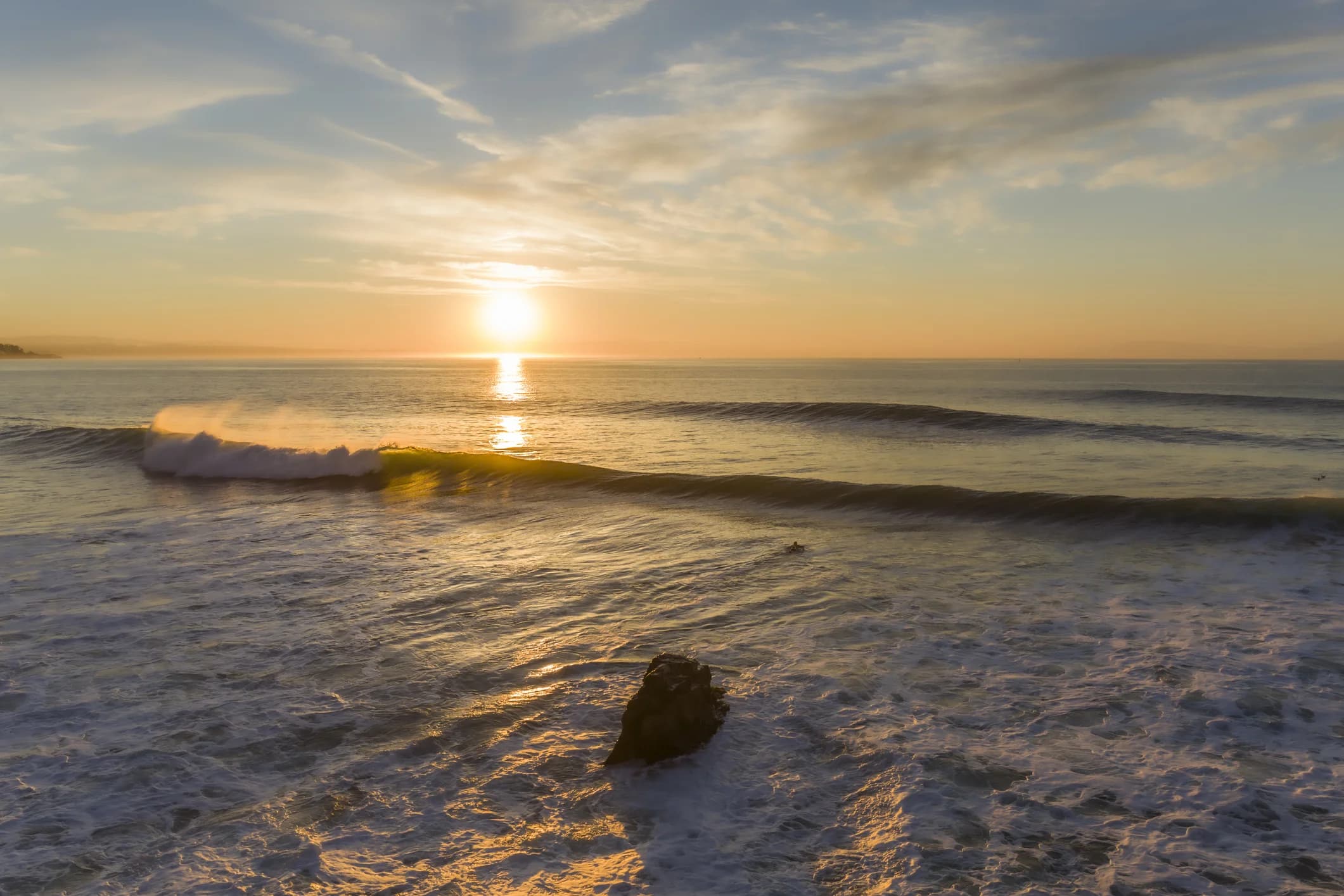 Cold water
 Shore entry
Five physical demands of diving.
01 · Breath
Breath-hold capacity.
Freediving and even recreational scuba benefit from a calm, efficient respiratory system. Training your diaphragm, intercostals, and overall CO2 tolerance lets you extend bottom time, manage air consumption, and stay composed under pressure.
Diaphragm · intercostals · transverse abdominis · pelvic floor02 · Swim
Swimming endurance.
Surface swims against current, long fin kicks to a dive site, and safety swims after gear failure all require sustained cardiovascular output. Building aerobic capacity means you arrive at depth relaxed instead of winded.
Lats · deltoids · hip flexors · quadriceps · calves03 · Core
Core stability underwater.
Trim and buoyancy control depend on a stable core. Whether you are holding a horizontal position in a kelp forest or navigating a narrow swim-through, core strength keeps your body streamlined and reduces air waste from corrective kicks.
Rectus abdominis · obliques · erector spinae · multifidus04 · Equalize
Equalization & jaw strength.
Ear and sinus equalization failures are the most common reason divers abort. Strengthening the muscles around the jaw, neck, and Eustachian tube area, combined with flexibility drills, makes equalization smoother at depth.
Sternocleidomastoid · masseter · pterygoids · neck flexors05 · Finning
Leg power for finning.
Frog kicks, flutter kicks, and helicopter turns all originate from the hips and legs. Stronger legs mean less effort per kick, lower air consumption, and better maneuvering in current.
Glutes · hamstrings · hip adductors · calves · ankle stabilizersA sample week, built for the water.
One example split we run with divers. The specifics shift with your experience, your dive calendar, and what your baseline assessment shows. The shape stays consistent: breath, swim, strength, power, dive, recover.
- Shoulder impingement. Regular rotator cuff strengthening and thoracic extension drills.
- Lower back strain. Core stability work and hip hinge mechanics before carrying tanks.
- Knee stress from frog kicks. Hip adductor and abductor balance, gradual progression in fin load.
- Ear barotrauma. Equalization practice on land, jaw and neck mobility drills.
- Calf cramps during finning. Adequate hydration, magnesium intake, and calf stretching pre-dive.
Monday · Breath & core
Diaphragmatic breathing drills, apnea walks, dead bugs, Pallof press, plank variations. 45 minutes.
Tuesday · Swim endurance
Pool session: 800-1200 m freestyle with interval sets. Add fins for the last 400 m. 45-60 minutes.
Wednesday · Strength
Farmer carries, single-leg RDLs, goblet squats, pull-ups, band pull-aparts. 50 minutes.
Thursday · Active recovery
Easy walk or light yoga, foam rolling, jaw and neck mobility drills. 30 minutes.
Friday · Power & finning
Weighted fin kicks, kettlebell swings, medicine ball slams, calf raises. 45 minutes.
Saturday · Dive day
Apply your conditioning in the water. Shore dive or boat dive. 2-4 hours.
Sunday · Rest
Full rest or gentle stretching. Hydrate and review dive log.
Eight movements that translate to depth.
Apnea walk (breath-hold walking)
Controlled breath-hold intervals while walking at a steady pace. Builds CO2 tolerance safely on land before applying it in the water.
Diaphragmatic breathing drills
Seated or supine belly-breathing patterns that strengthen the diaphragm and improve lung volume recruitment.
Weighted fin kicks (bands or ankle weights)
Simulates the resistance of finning through water. Builds hip flexor and quad endurance specific to diving propulsion.
Farmer carries
Mimics walking to the entry point in full gear. Builds grip, shoulder stability, and trunk endurance under load.
Swimming intervals (freestyle & backstroke)
Builds cardiovascular fitness and shoulder conditioning for surface swims and emergency situations.
Dead bugs & Pallof press
Anti-extension and anti-rotation core exercises that train the stability needed for trim control underwater.
Single-leg Romanian deadlifts
Develops posterior chain strength and balance, both critical for donning and doffing gear on a rocking boat.
Neck flexion & extension (banded)
Strengthens the neck muscles used during equalization and supports the weight of a mask and hood in cold water.
Train for what the coast actually asks.
Monterey BayCold water tolerance
Cardiovascular conditioning and body composition management help you stay warm longer.
48-58 °F year-roundSurge & current management
Core stability and leg power let you hold position without burning through air.
Hold your lineRocky shore entries
Loaded carry strength and ankle stability for walking over boulders in full gear.
Load, then walkLow visibility composure
Breath control training keeps heart rate low when vis drops to near zero.
Stay calm at depthStart here
Ready to dive stronger?
Whether you are training for your first open-water certification or preparing for advanced cold-water diving, we can build a plan that gets you ready. Start with an assessment, or send a note.