Loading...
Stable knees, trail-ready.
A knee-specific clinic at Mavericks Fitness. Screen what the joint is doing under load, isolate the bottleneck, and rebuild single-leg control for hiking, running, surfing, and life after rehab.
Single-legLoad one side at a time
EccentricControl the descent, the trail, the landing
Hip-ledKnees track where the hips point them
Strong knees, built from the hip down.
01 · Ligament
ACL and ligament injury prevention.
Strong, stable knees absorb rotational and lateral forces that cause ACL tears. Targeted training builds the neuromuscular control to protect your ligaments during cutting, landing, and direction changes.
Cutting & landing02 · Trail
Confident hiking and trail running.
Santa Cruz trails from Wilder Ranch to Big Basin demand steady knees on uneven terrain. Knee control training builds the single-leg stability and eccentric strength needed for descents and technical footing.
Descent control03 · Longevity
Healthy aging and longevity.
Knee osteoarthritis is common with age. Building quad and hip strength early reduces joint loading and preserves cartilage. Strong knees support decades of active living.
Joint preservationFive phases, one knee at a time.
We don't throw every drill at you at once. Each phase has a small list, a clear target, and a graduation criterion. When the side that works can match the side that doesn't, you move on.
- 01Screen the knee, track the hip.Single-leg squat, step-down, and Y-balance checks. We watch for valgus collapse, VMO timing, and eccentric control on the way down.
- 02Isolate the weak link.Terminal knee extensions, chin-down wall sits, and copenhagens to build the VMO, adductor, and hip abductor that the screen flagged.
- 03Load the single leg.Step-downs, Bulgarian split squats, reverse Nordics. Progress eccentric quad and hamstring capacity with dose you can recover from.
- 04Return to sport.Landing mechanics, change of direction, and trail-specific descents. Hand the pattern back to hiking, running, or whatever you came in for.
- 05Keep a short list.Two or three maintenance drills a week. Designed to travel with you to the trailhead or the home gym.
The drills, and what they build.
Terminal knee extensions
Band-resisted knee extensions in the last 15 to 20 degrees of range. Isolates VMO activation and builds end-range control. Essential for patellar tracking.
Single-leg step-downs
Stand on a low step and slowly lower the opposite heel to the floor, maintaining control. Tests and builds single-leg eccentric control and hip stability.
Lateral band walks
Resistance band around thighs, sidestep while staying low. Activates gluteus medius and trains hip abductor strength for knee alignment.
Bulgarian split squats
Rear foot elevated split squat. Builds unilateral leg strength, challenges balance, and improves hip and knee coordination under load.
Wall sits with isometric holds
Back against wall, knees at 90 degrees. Hold for time. Builds quad endurance and teaches sustained knee control without movement.
Copenhagen adductions
Side plank with top leg on bench, lift bottom leg. Strengthens hip adductors and groin, critical for mediolateral knee stability.
Reverse Nordic curls
Kneeling, slowly lean back with control. Eccentric quad lengthening under load. Improves knee flexion control and tendon resilience.
The knee, and what controls it.
VMO (vastus medialis obliquus)
The teardrop muscle above the kneecap. It controls patellar tracking and knee extension. Weak VMO contributes to runner's knee and patellar maltracking.
Glutes (medius and maximus)
Hip stability prevents knee valgus (inward collapse). Strong glutes keep your knee aligned over your toes during squats, lunges, and single-leg work.
IT band and TFL
Tight IT band and tensor fascia latae can create lateral knee pain. Balanced hip strength and mobility reduce excessive lateral pull on the patella.
Hamstrings
Posterior knee stability and ACL protection. Eccentric hamstring strength decelerates the tibia and reduces anterior shear forces.
Patellar tracking
The kneecap should glide smoothly in its groove. Proper quad balance and hip control ensure the patella tracks correctly through flexion and extension.
Built for the people who use their knees.
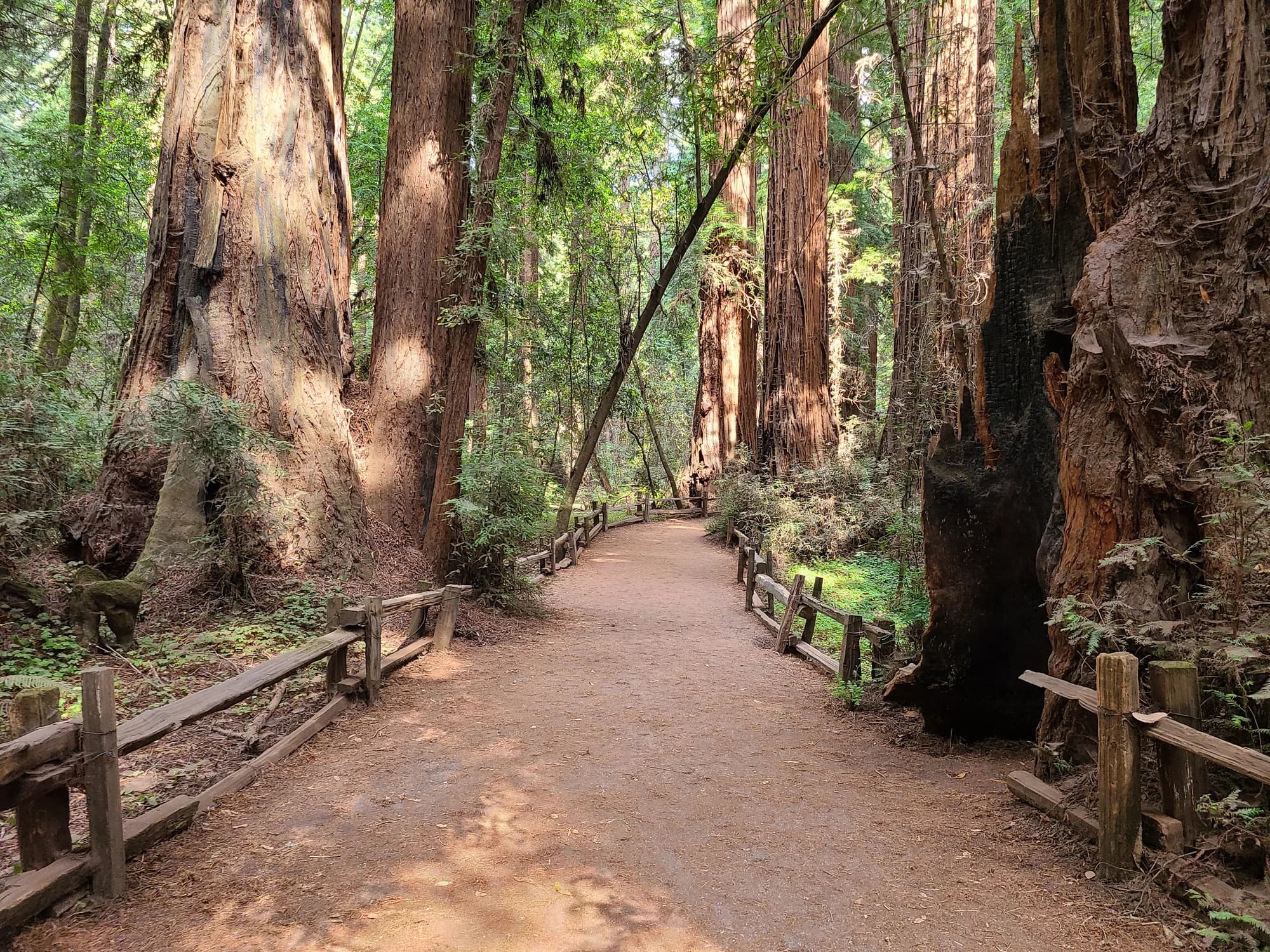 Redwoods trail
Hikers and trail runners
Descending steep Santa Cruz trails loads knees eccentrically. Strong, controlled knees handle the demands.
Surfers and skiers
Rotational forces and uneven surfaces stress knees. Stability training prevents twists and absorbs impact.
Aging adults
Preserve knee health for walking, stairs, and activities. Prevention beats repair.
Post-surgery rehab
Graded return to loading with a qualified professional. Build confidence and capacity safely.
Start here
Pick the joint. We'll screen the rest.
Book a movement evaluation and we'll tell you which phase of the knee clinic you're starting in. Or book directly into a session with a coach who runs this protocol.